
"Knowing I have a reliable home phone gives me reassurance, especially in an area where coverage isn't always consistent. With AT&T Phone-Advanced, I know I still have a home phone I can count on." – Marilyn Burleigh, AT&T Phone - Advanced Customer, Wilson, Louisiana
As we transition away from copper, we’re committed to always being there for our customers who have relied on us to connect for generations.
Marilyn Burleigh has been an AT&T landline customer since the 1980s. She’s one of the thousands of customers who recently upgraded to AT&T Phone - Advanced (AP-A) and found the switch effortless. The installation was simple enough to set up herself, AP-A costs less, and it delivered the same reliability she depended on without changing how she uses her phone day to day.
Stories like Marilyn’s inspire our work every day. That's why, as part of our plan to exit our copper network in the majority of our footprint by the end of 2029, we're working with customers to upgrade to more reliable options like AT&T Fiber, AP-A, and wireless.
Today, only 1% of our eligible customers are still using legacy copper voice technology, and we’ve discontinued copper services in more than 500 communities, making up more than 1.3 million locations across 18 states. This hasn’t happened overnight – we’ve been thoughtful as we work with our customers to provide a seamless, easy transition.
No customer will be left without access to the phone or 911 services they rely on. That commitment will continue as we upgrade our customers across 1,500 more communities over the next year.
Customers Are Telling Us It's Working
Copper-based networks are outdated, decades-old technology that is less reliable and takes longer to repair than fiber or wireless, leading to prolonged disruptions for customers. In fact, wireless service repair times are more than 4 times faster than copper. Modern networks are also less vulnerable to damage and copper theft. And, when there is an outage, they can be supported by temporary wireless facilities that help keep communities connected.
We are also working with businesses to upgrade from copper services while ensuring no interruption to the customers they serve. Discount Truck and Trailer, a business in Pleasanton, Texas, had used copper landline service for about 15 years before upgrading to AT&T Business Voice earlier this year. With two active business lines they rely on to stay connected with customers, a smooth transition was a priority – and they were able to keep both existing phone numbers throughout the switch.
"Being in rural Texas, having reliable phone service is very important to our business. It gives us peace of mind knowing that we can count on AT&T for dependable phone service and stay connected with our customers." – Beth Douglas, general manager of Discount Truck and Trailer, Pleasanton, Texas
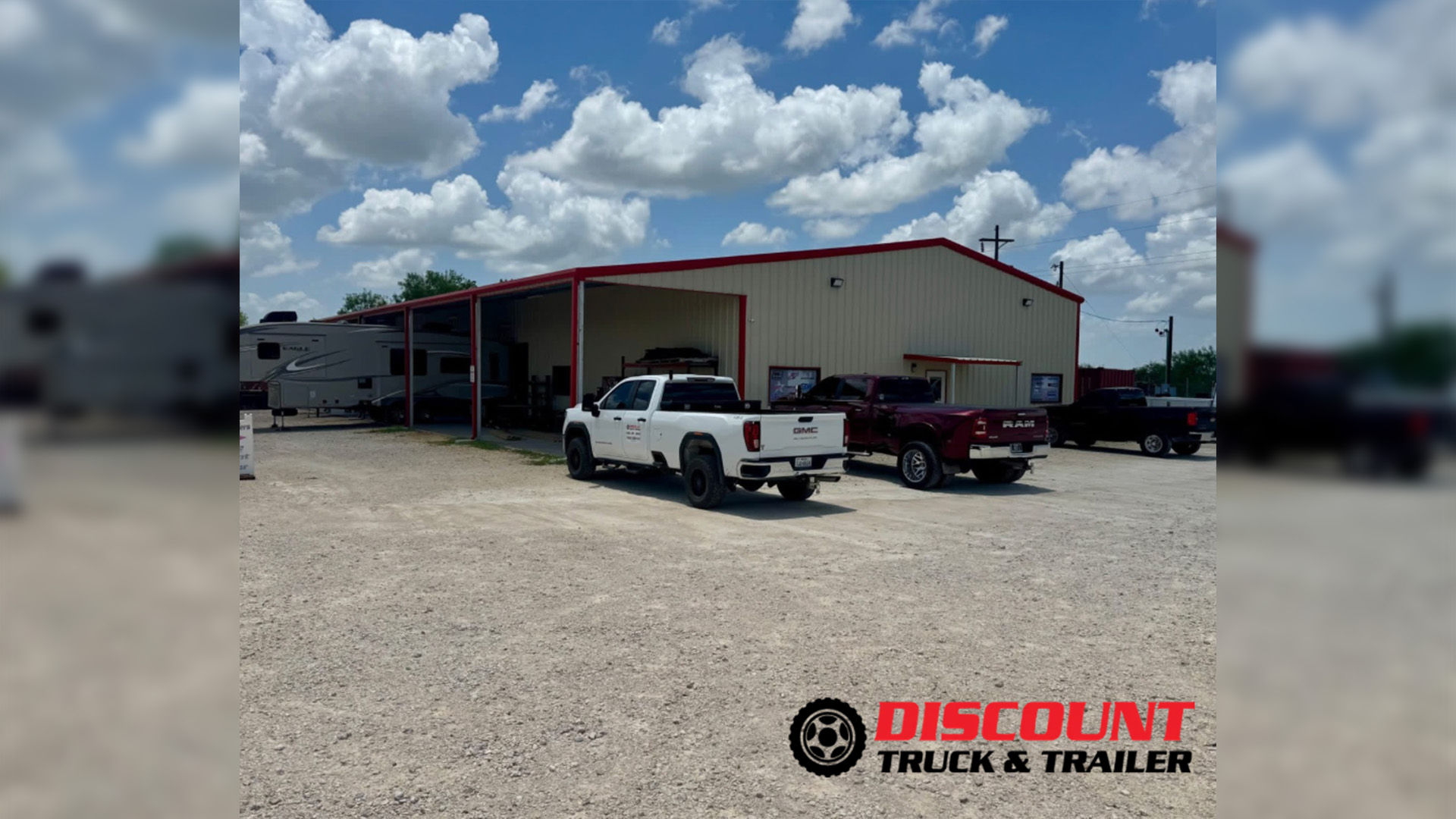
Discount Truck and Trailer, located in rural Texas, transitioned to AT&T Business Voice and kept its existing business phone numbers.
Keeping Communities Connected and Safe
A simpler, more efficient network is only part of the benefit—modern technology can also help keep vital communications running when disasters strike. We’ve built AT&T ESInet™, our advanced Next Generation 9-1-1 platform, to replace legacy copper 9-1-1 infrastructure with a secure, high-capacity, fiber-based IP network designed to deliver faster, more reliable emergency communications.
When Hurricane Helene struck western North Carolina, 9-1-1 call centers were able to automatically reroute emergency calls with AT&T ESInet™, Unlike traditional copper-based 9-1-1 systems, ESInet can automatically reroute calls when a 9-1-1 call center is disrupted during a disaster. At the height, and during the aftermath of Hurricane Helene, no 9-1-1 calls went undelivered.
When disaster strikes, the speed of recovery can make all the difference. When wildfires swept through Altadena, California, in 2025, communications networks sustained significant damage. Once conditions were safe, network teams quickly deployed temporary cell sites and restored wireless coverage in the majority of affected areas within three days of the outage. Restoring copper services took several months. As a result, residents regained access to wireless connectivity well before copper services could be fully restored, highlighting the flexibility and resiliency of modern wireless networks.
Simplifying Our Network, Reducing Our Footprint
Upgrading to wireless and fiber is not only better for our customers, it’s significantly more energy efficient. As we discontinue copper services, we can start the process to power down wire centers as we drive toward an end-to-end IP future. Across our wireline footprint, made up of about 4,600 wire centers, we expect to avoid on average about 600,000 kWh annually per wire center – that adds up to 2.76 billion kWh of electricity use per year once our copper exit is complete. That’s comparable to the electricity used annually by all the households in San Francisco.
What's Next
As we continue this transition through 2029, we'll keep sharing our progress, because a more modern network means faster, more reliable connectivity for everyone who depends on it, helping ensure they stay connected when it matters most.