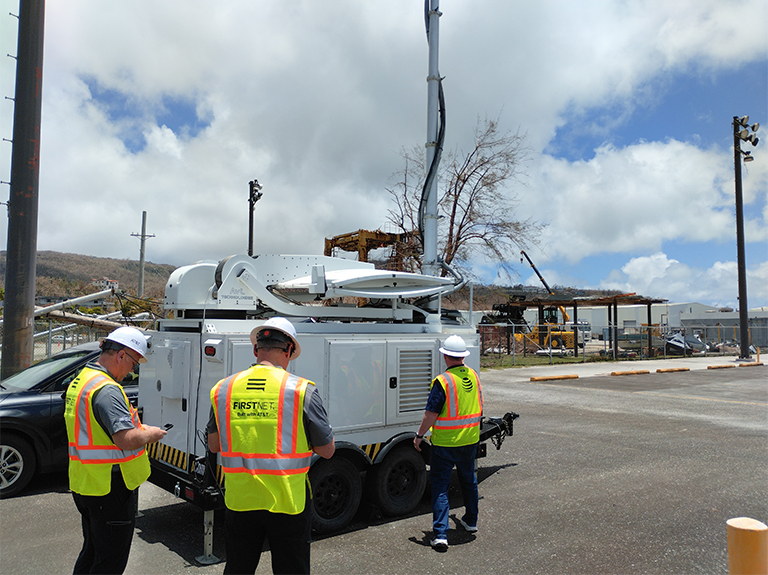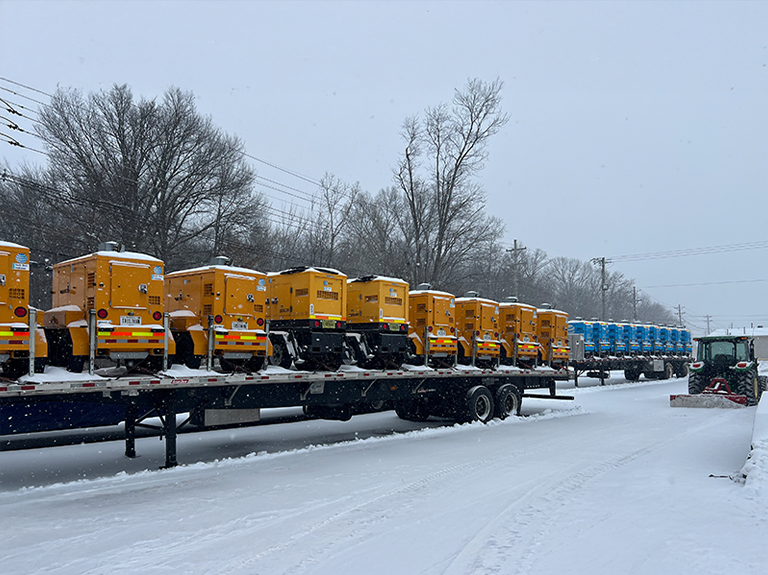
As wildfires threaten communities, AT&T is ready to help keep customers, first responders and communities connected. AT&T’s Network Disaster Recovery (NDR) program—the largest of its kind in the industry—prepares year-round to protect our network and help maintain and restore communications when disasters like wildfires spark. Additionally, America’s public safety network, FirstNet®, Built with AT&T, provides first responders with reliable connectivity, specialized support and access to a fleet of 190+ portable cell sites reserved exclusively for public safety.
At AT&T, our purpose is rooted in connecting people—and that responsibility is especially clear during a crisis. When wildfires threaten homes, businesses and critical infrastructure, connectivity helps people access information, reach loved ones and coordinate response efforts.
Decades of Investment in Disaster Readiness
Disaster readiness starts long before smoke appears on the horizon. It requires sustained investment, tested capabilities and close collaboration among network teams, public safety agencies and the communities we serve. We have invested more than $1 billion in our NDR program over the past three decades. More than 750 pieces of specialized response equipment are available to help reduce possible impacts to our network, while prioritizing employee safety when wildfires, hurricanes and other disasters strike. AT&T’s response is supported by around-the-clock intelligence and coordination. The Global Technology Operations Center (GTOC) monitors our network, while meteorologists with the AT&T Weather Operations Center (AWOC) provide near-real-time risk analysis.
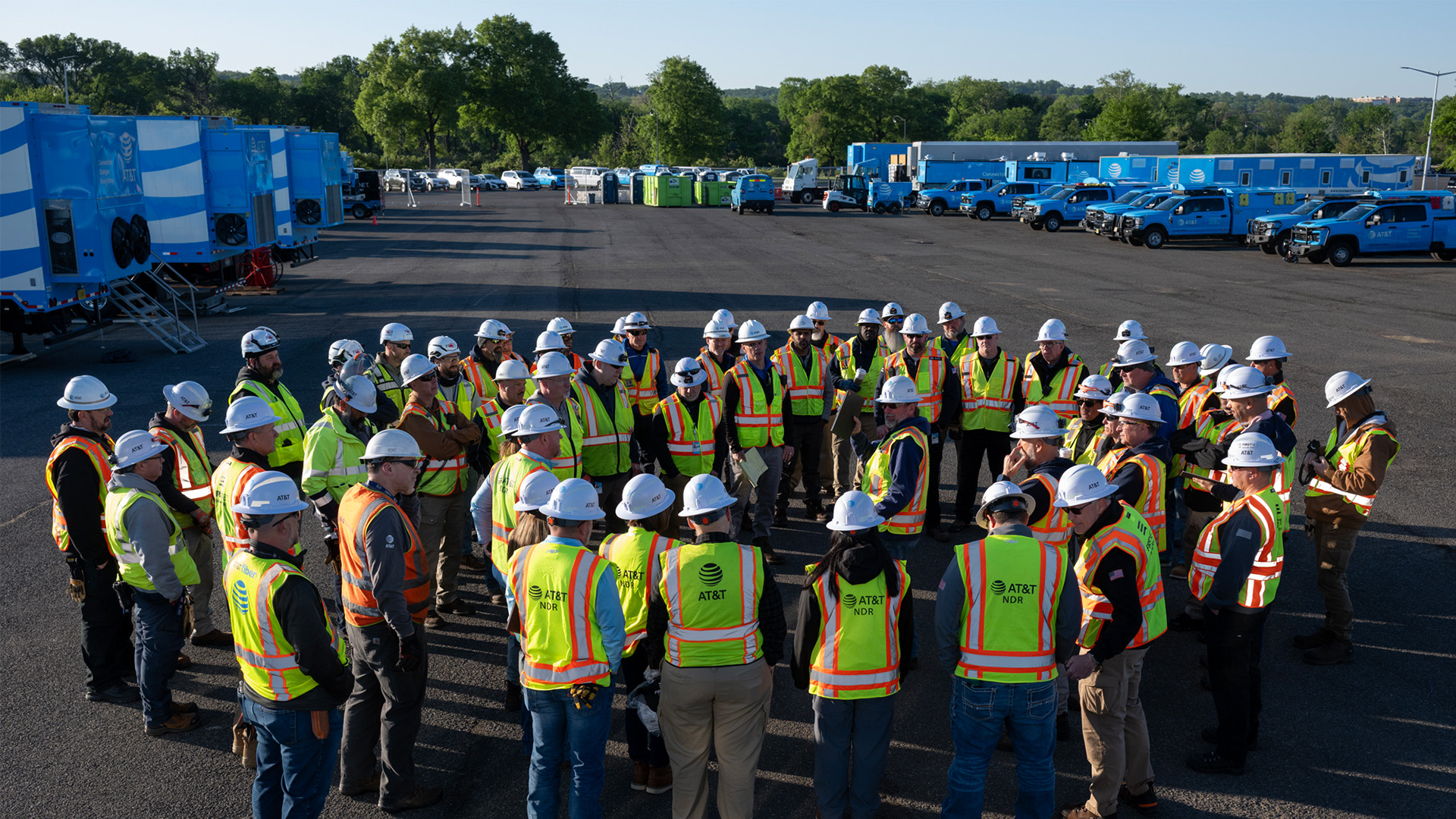
Our NDR team has spent thousands of hours in the field and responded to countless events – from fires and hurricanes to tornadoes and winter storms.
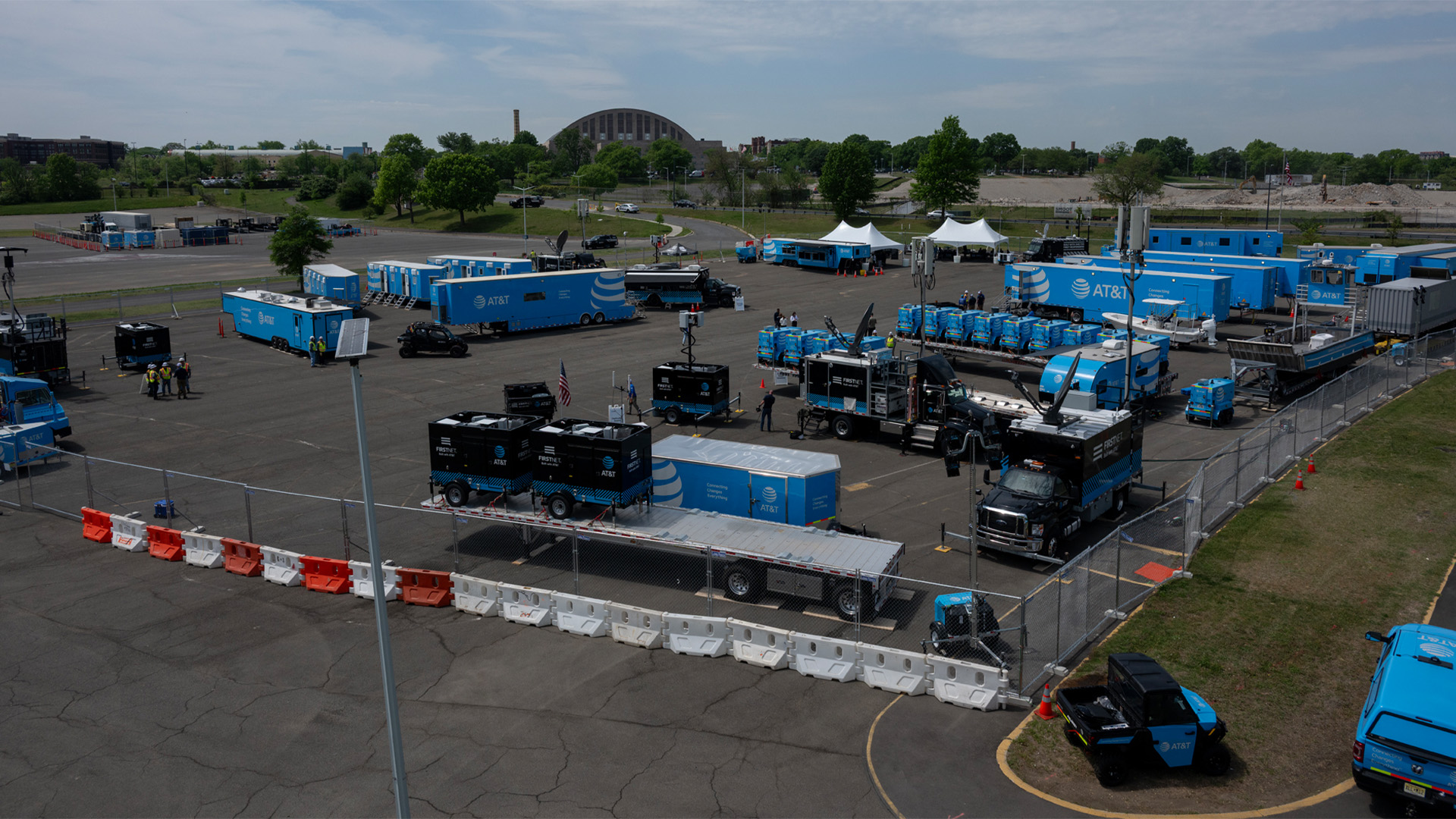
AT&T's NDR team aims to be self-sufficient, establishing base camps in affected areas to avoid burdening local resources.
Our preparations can include:
- Monitoring fire conditions and potential impacts to network facilities.
- Inspecting and refueling generators that provide backup power.
- Testing backup batteries at cell sites.
- Preparing mobile cell sites, satellite equipment and other deployable assets.
- Coordinating with public officials and public safety agencies.
- Staging personnel and equipment to respond safely as conditions change.
Our specialized response resources include:
- Mobile cell sites and mobile command centers.
- Flying COWs® (Cell on Wings).
- Drones used to assess damage to cell sites.
- Emergency communications vehicles.
- Generators and satellite equipment.
- Basecamp operations with sleeping bunks, bathrooms, showers, kitchens and meals ready-to-eat.
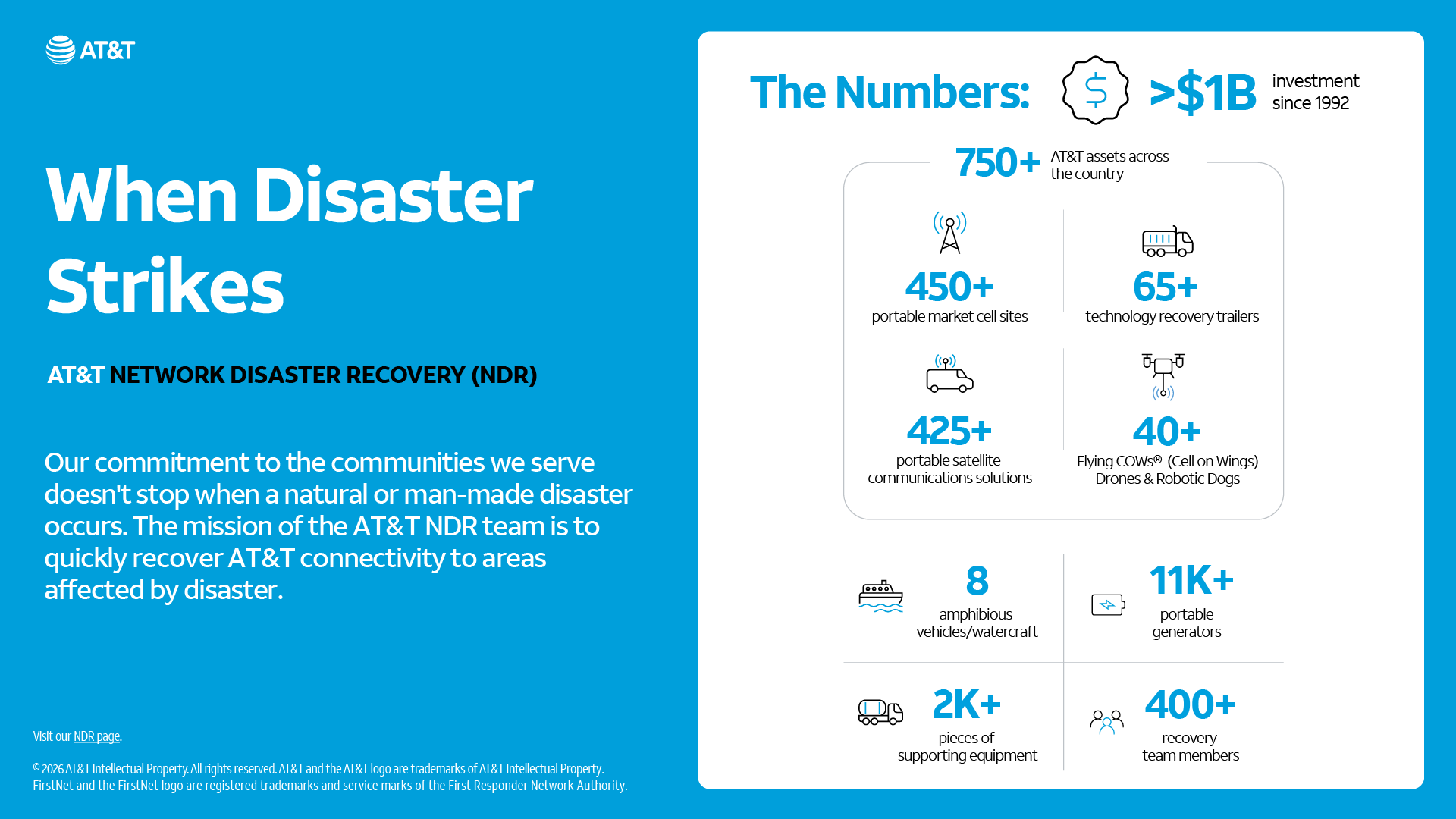
With more than 750 pieces of specialized response equipment, AT&T has invested more than $1 billion in its NDR program over the past three decades.
HTML Editor Component
*Contents may not have visible height
FirstNet: Mission-Critical Connectivity When Wildfires Spark
Our specialized disaster response teams recently supported agencies responding to the Ross Fire in Palo Pinto and Jack Counties, Texas. The fire burned more than 90,000 acres, becoming the second largest fire in North Texas history, according to the National Weather Service.
To support public safety on FirstNet, the FirstNet Response Operations Group™ (ROG) deployed a SatCOLT (Satellite Cell on Light Truck), CRDs (Compact Rapid Deployables™) and portable generators. These assets helped ensure first responders had the mission-critical connectivity needed to support their emergency communications.
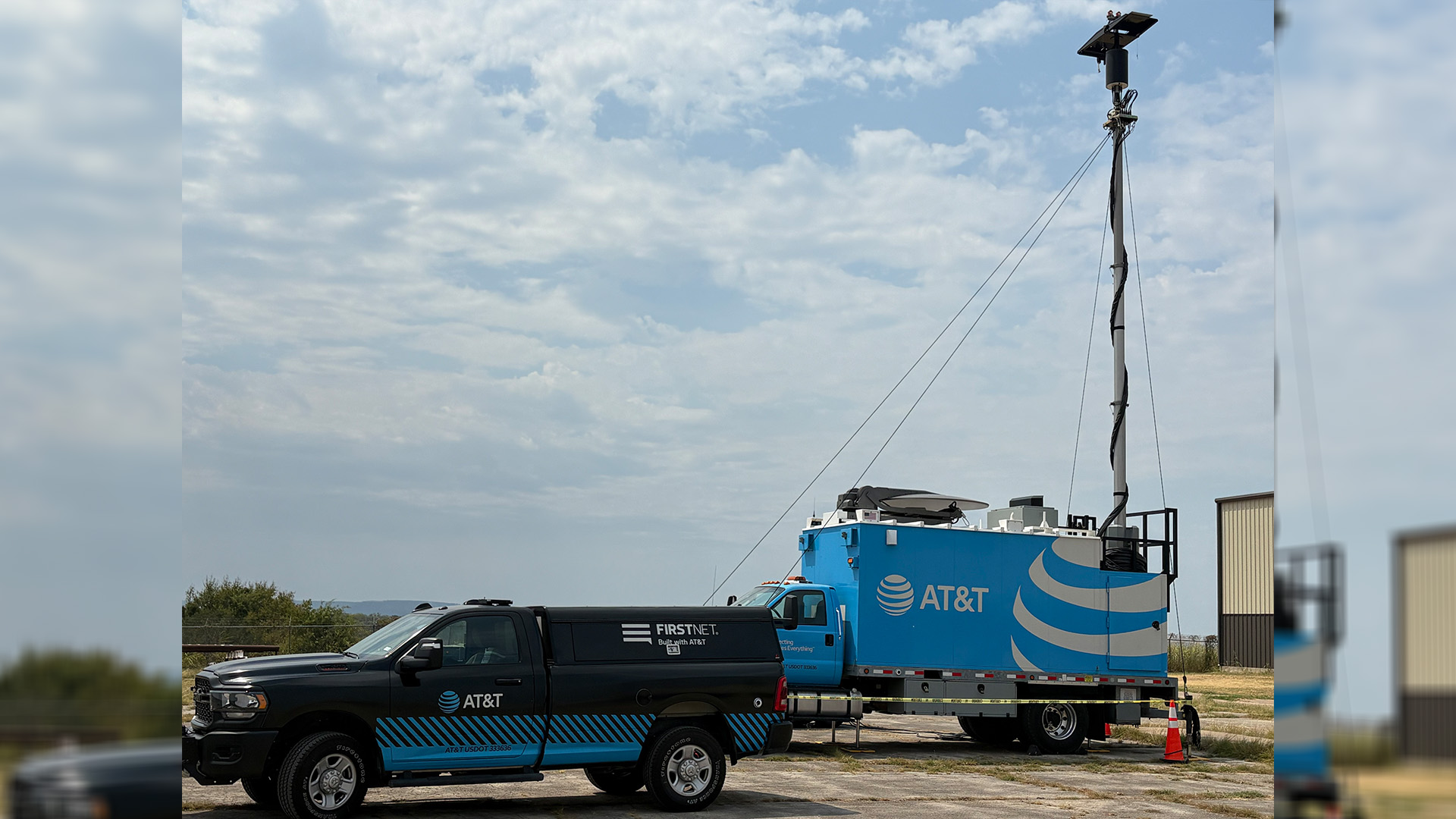
SatCOLT deployed in Palo Pinto County, TX to reliably connect first responders on FirstNet.
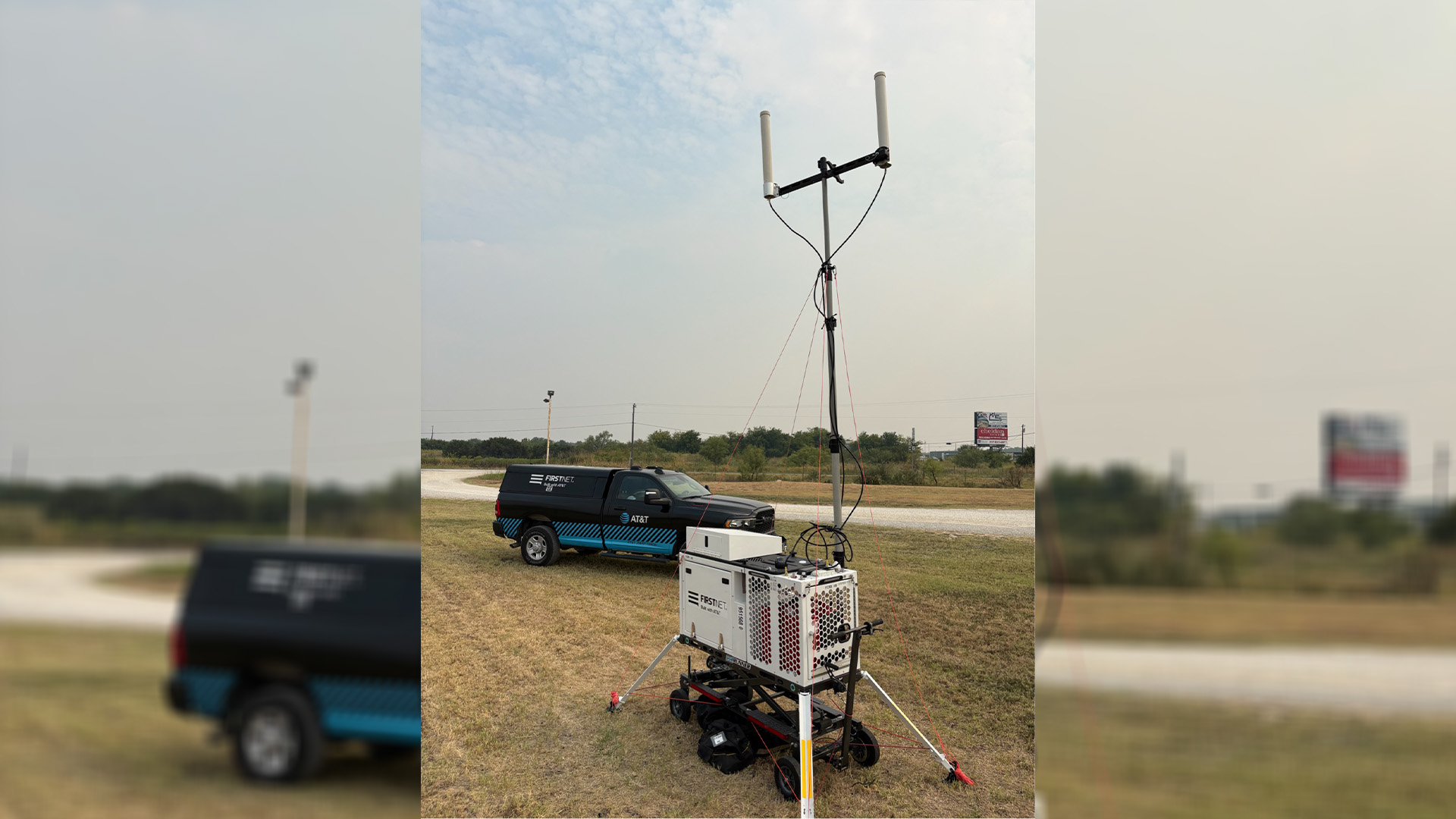
FirstNet CRD deployed in Palo Pinto County, TX to reliably connect first responders.
FirstNet ROG is led by a dedicated team of former first responders who work around the clock to support public safety’s critical communications. The team coordinates directly with local, state and federal agencies to understand their operational needs and provide reliable connectivity where it is needed most. The Texas deployment followed support for agencies responding to the Hawk Fire near Reno, Nevada. The fire burned more than 15,000 acres, destroyed homes and prompted evacuations across the Reno-Sparks area.
During that response, FirstNet ROG tapped into the AT&T commercial fleet by deploying an LCT (LEO Cell Trailer) to the area. This compact, self-contained asset can be transported and activated quickly by a single technician, delivering high-speed, temporary cell service and helping mitigate congestion.
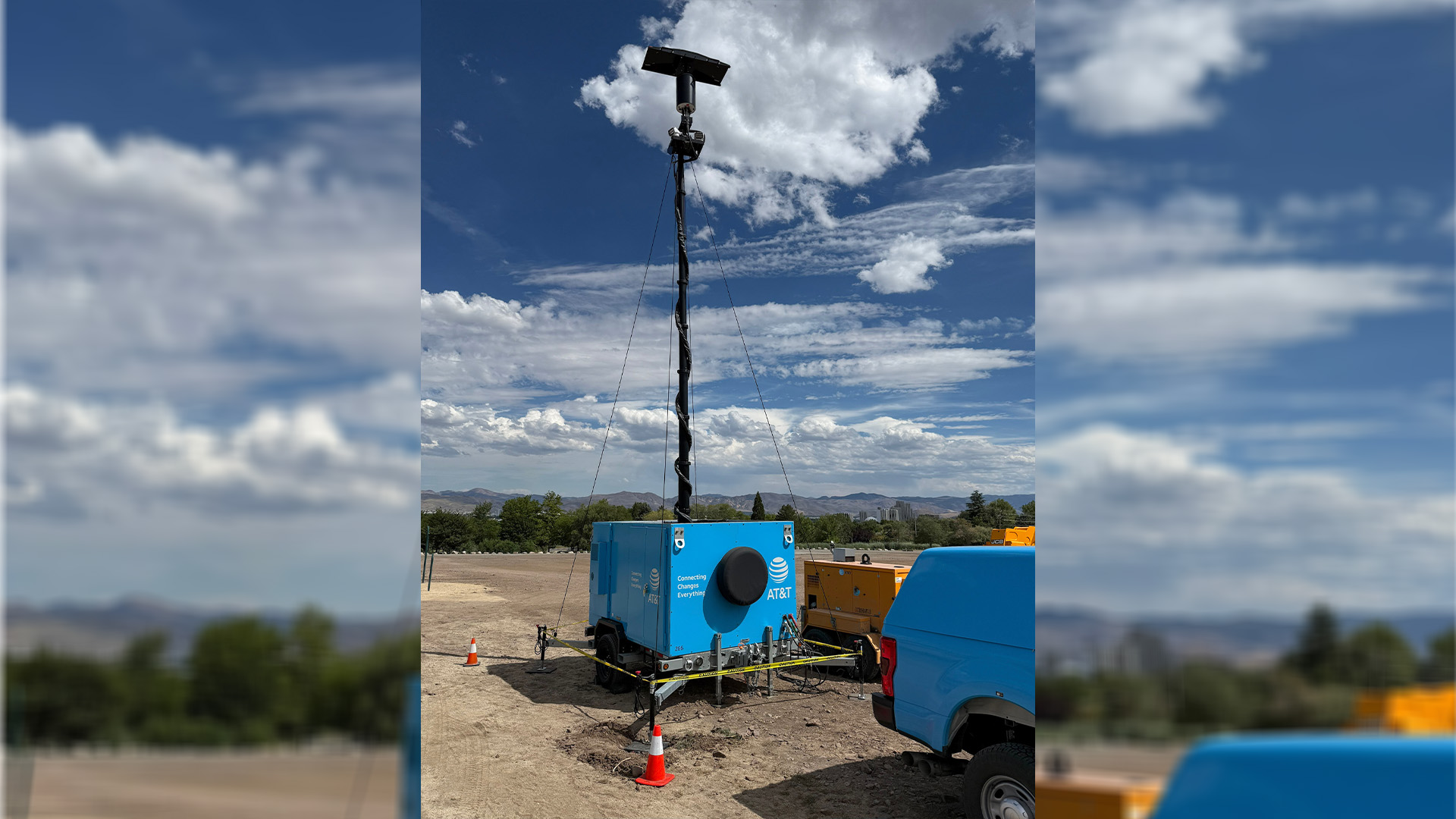
LCT deployed to support public safety on FirstNet in Reno, Nevada.
HTML Editor Component
*Contents may not have visible height
This summer, FirstNet ROG also supported wildfire response efforts in Washington state, fulfilling multiple requests from public safety. Deployments from the dedicated FirstNet fleet included a SatCOLT and CRD, which supported emergency communications at the Autumn Lane and Mitre Rock fires.
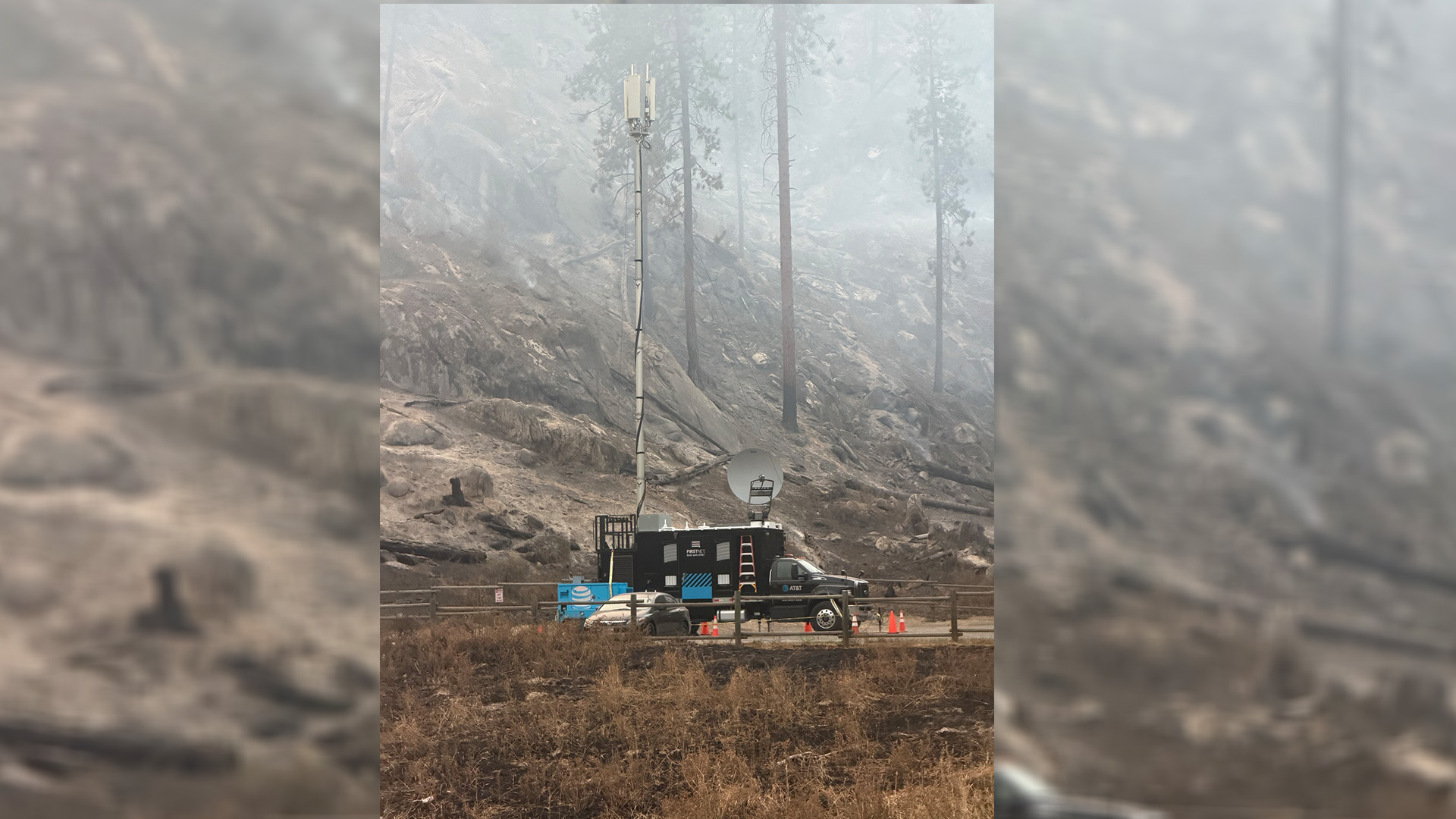
FirstNet SatCOLT deployed at the Autumn Lane Fire in Spokane County, Washington.
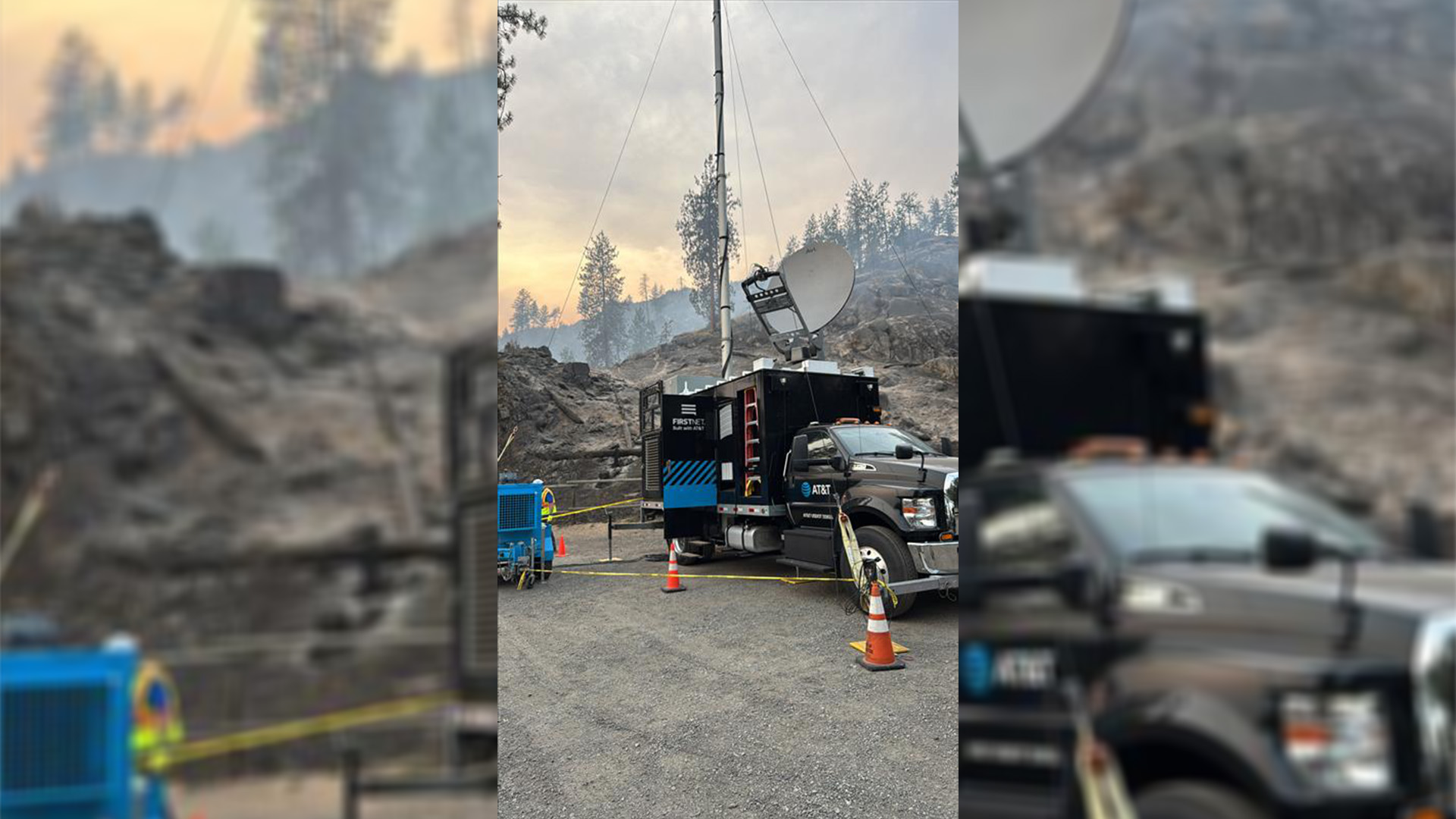
FirstNet SatCOLT strategically placed to support public safety communications in Spokane County, Washington.
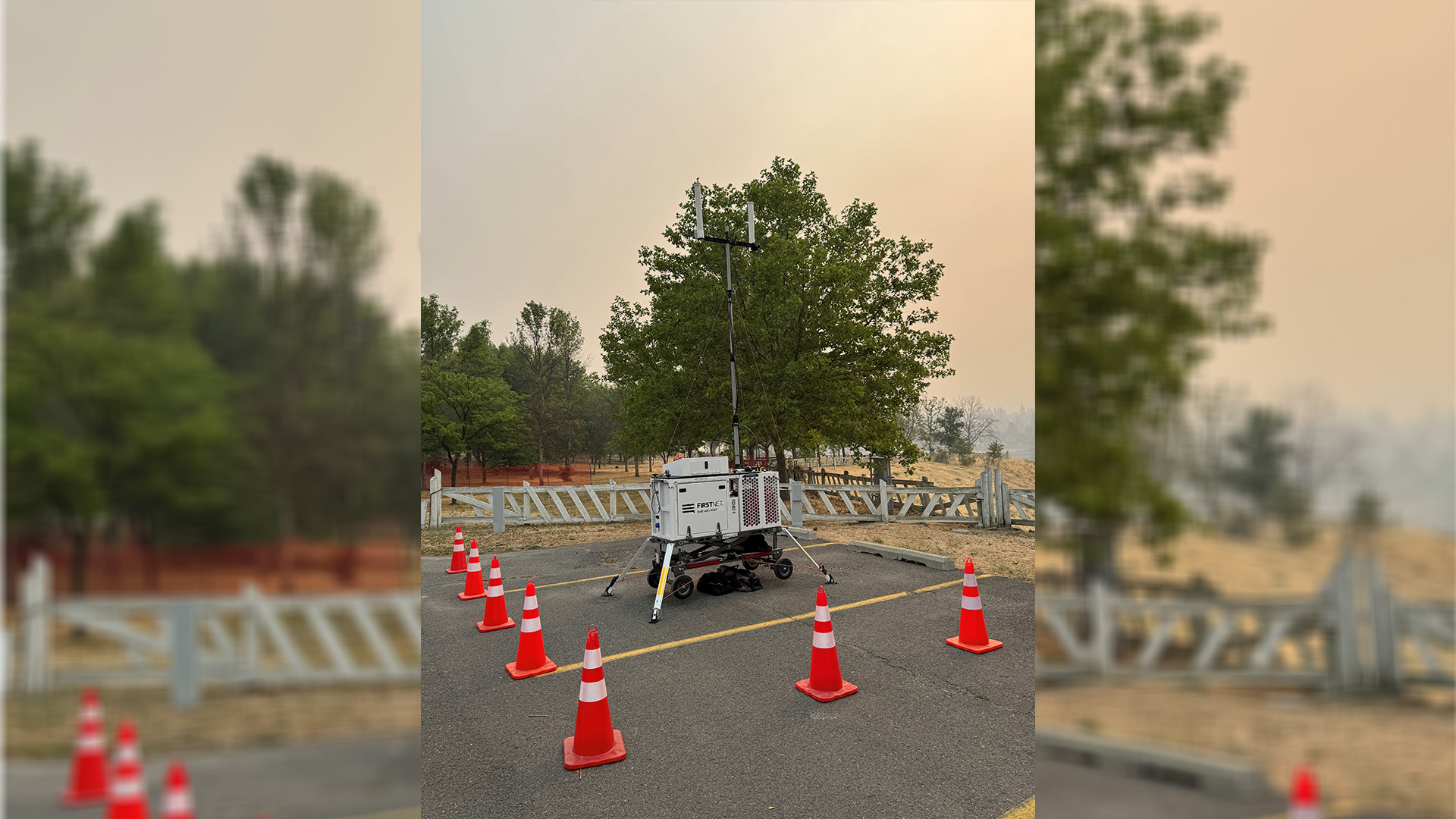
FirstNet CRD deployed at the Mitre Rock Fire in Davenport, Washington.
Ready When It Matters
Wildfires can move quickly, disrupt power and communications, and place significant demands on first responders and local communities. AT&T’s investments in network resilience, specialized equipment, weather intelligence and dedicated response teams help us act as conditions change. Whether supporting our network through NDR or helping first responders through FirstNet, our objective remains the same: maintain critical connections and support the people and agencies on the front lines.
Read more AT&T Disaster Recovery news